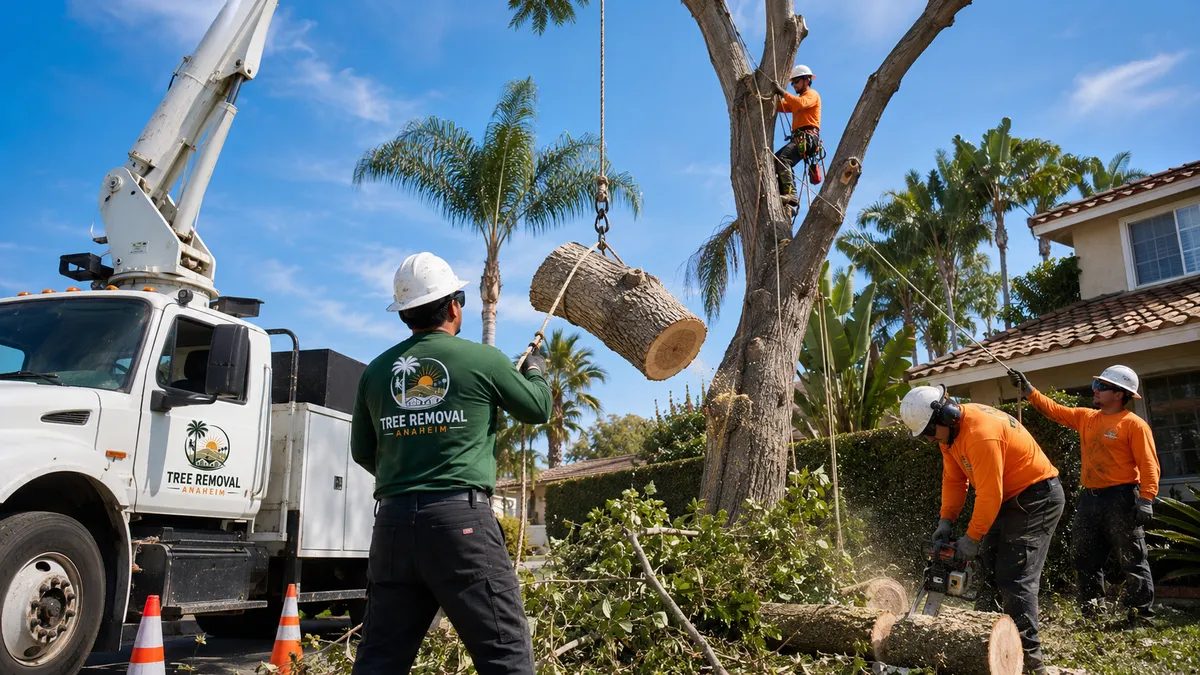
Address dangerous trees before failure
Hazardous Tree Removal in Anaheim
Concerned about a tree's stability? Start with an on-site look. Get a Free Estimate
Removal for Trees Showing Serious Risk
A hazardous tree is not simply a tree that looks large or untidy. The concern is whether structural weakness, severe decline, root damage, trunk defects, unstable lean, or previous failure makes the tree more likely to harm people or property. When those conditions are significant and the tree cannot reasonably remain in place, removal may be the most practical option.
We evaluate the visible condition of the tree together with what could be affected if part or all of it fails. A compromised tree beside an open field creates a different situation from the same tree beside a bedroom, driveway, sidewalk, pool, neighboring home, or frequently used outdoor space. That surrounding exposure influences how urgently removal should be considered and how the work must be planned.
Tree Removal Service Areas Near Anaheim
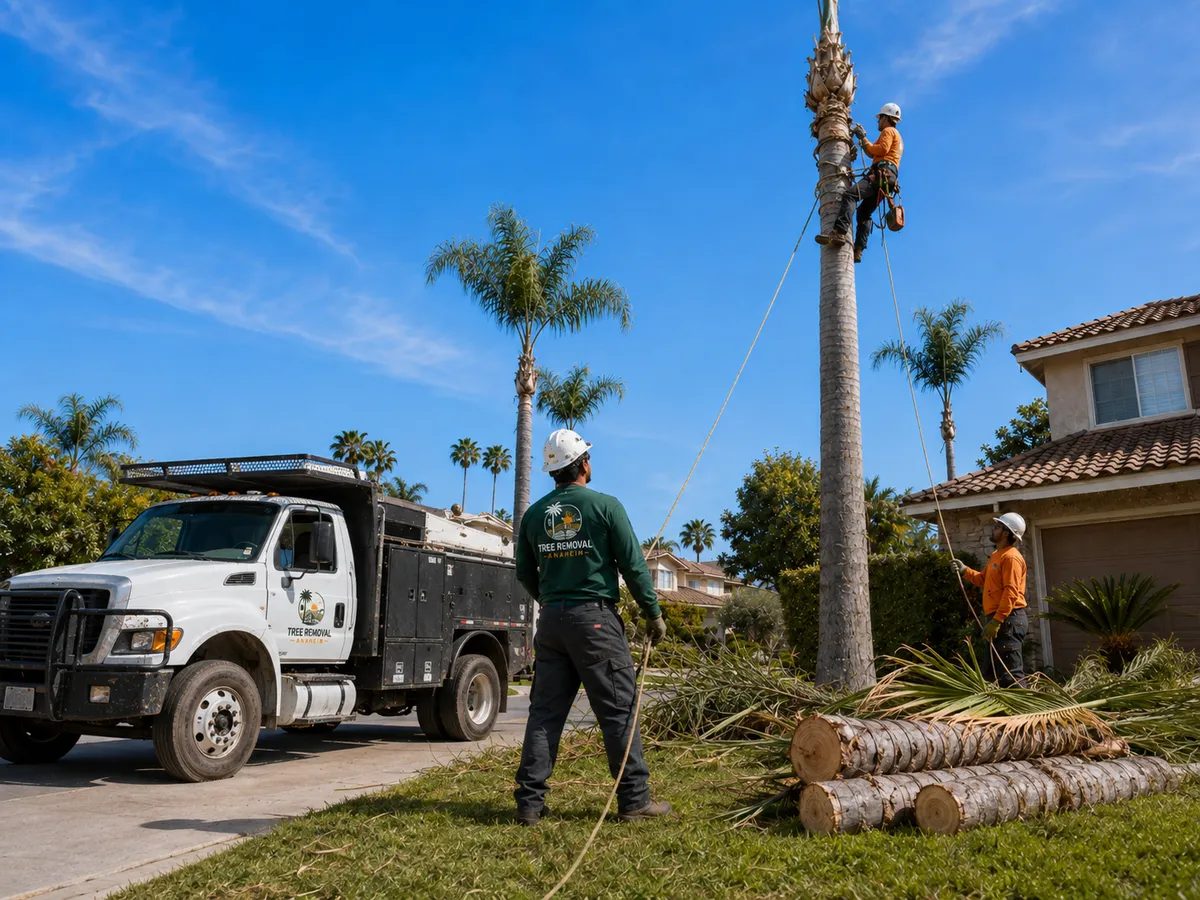
What Makes a Tree Hazardous
Tree risk usually comes from a combination of defects and location. Warning signs can include large cracks, cavities, major dead sections, weak unions, recent root disturbance, lifting soil, pronounced new lean, fungal decay indicators, repeated limb loss, or a canopy that has declined substantially. No single visual clue tells the whole story, so we look at the pattern of conditions around the tree. When removal is selected, compromised structure can also affect how the crew works. A trunk with decay or major cracking may not be appropriate for ordinary climbing or rigging loads. A weak crown may require the work to be approached from outside the tree using specialty equipment. Our job is to recognize those limitations before the removal is underway, not after the tree has already been loaded with ropes or equipment.
Leaning trees
Some trees naturally grow with a lean, while a new or increasing lean can be more concerning. We look for associated soil movement, root issues, cracking, and changes in canopy balance.
Cracked trunks and unions
Large cracks can indicate that portions of a tree are moving independently or losing structural connection. Removal planning accounts for how those sections may separate.
Root-damaged trees
Construction, excavation, soil changes, erosion, or previous root loss can reduce stability. Root condition matters especially when the tree carries a broad or heavy canopy.
Trees with major decay
Cavities and internal deterioration can reduce the amount of sound wood supporting the tree. If the remaining structure is questionable, access and rigging methods may need to change.
Repeated limb failures
A pattern of major branch failures can signal structural problems that deserve a closer look, particularly when the tree stands over occupied or valuable areas.
A useful estimate is based on the actual tree and site rather than a generic price table. The main cost factors include:
Structural condition
Cracks, decay, root damage and a changing lean can affect how much load the remaining tree can safely carry.
Nearby targets
Homes, walls, vehicles, pools, roads and occupied areas influence the amount of control required during dismantling.
Access method
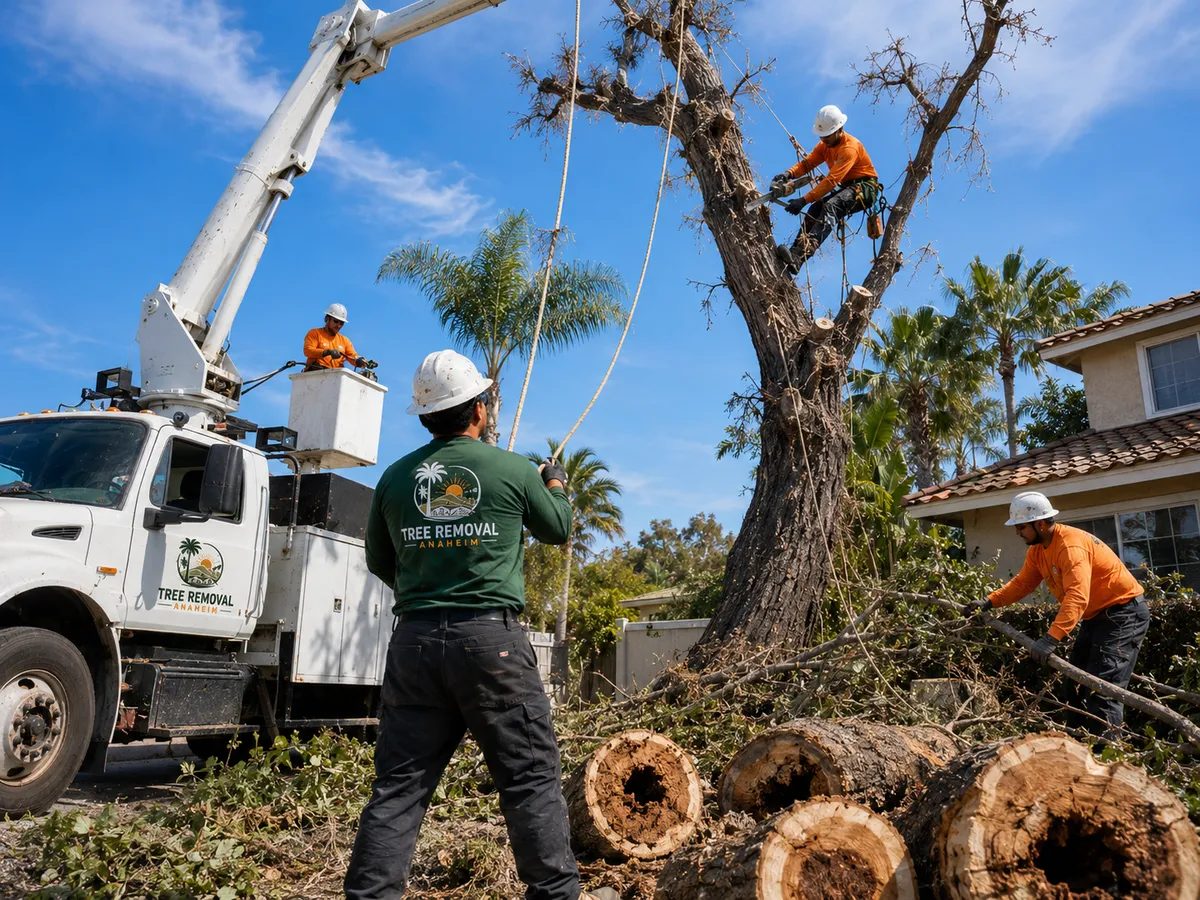
A compromised tree may not be suitable for ordinary climbing and may require aerial or lifting equipment.
Rigging and cleanup
Smaller sections, additional rigging and difficult hauling routes can add time to the scope.
Photos showing the whole tree, the base, access route and nearby structures can help make the first estimate conversation more useful.
Hazardous Tree Removal Planning Priorities
Risk-focused site review
We consider both the tree's visible condition and what lies within its potential failure area.
Conservative access decisions
If the tree's structure appears unsuitable for normal climbing or loading, we adjust the removal approach rather than relying on the compromised wood.
Controlled dismantling
Hazardous trees are reduced in a sequence designed around where weight is located and how the remaining structure may respond.
Straightforward recommendations
We explain the defects we can observe and why they affect the proposed removal plan without turning every concern into unnecessary alarm.
Contact Us Today for a Free Estimate
If a tree is cracked, leaning, decayed, root-damaged, or repeatedly dropping major limbs, tell us what you are seeing.
Free — no obligations
Our Hazardous Tree Removal Process
Review condition and targets
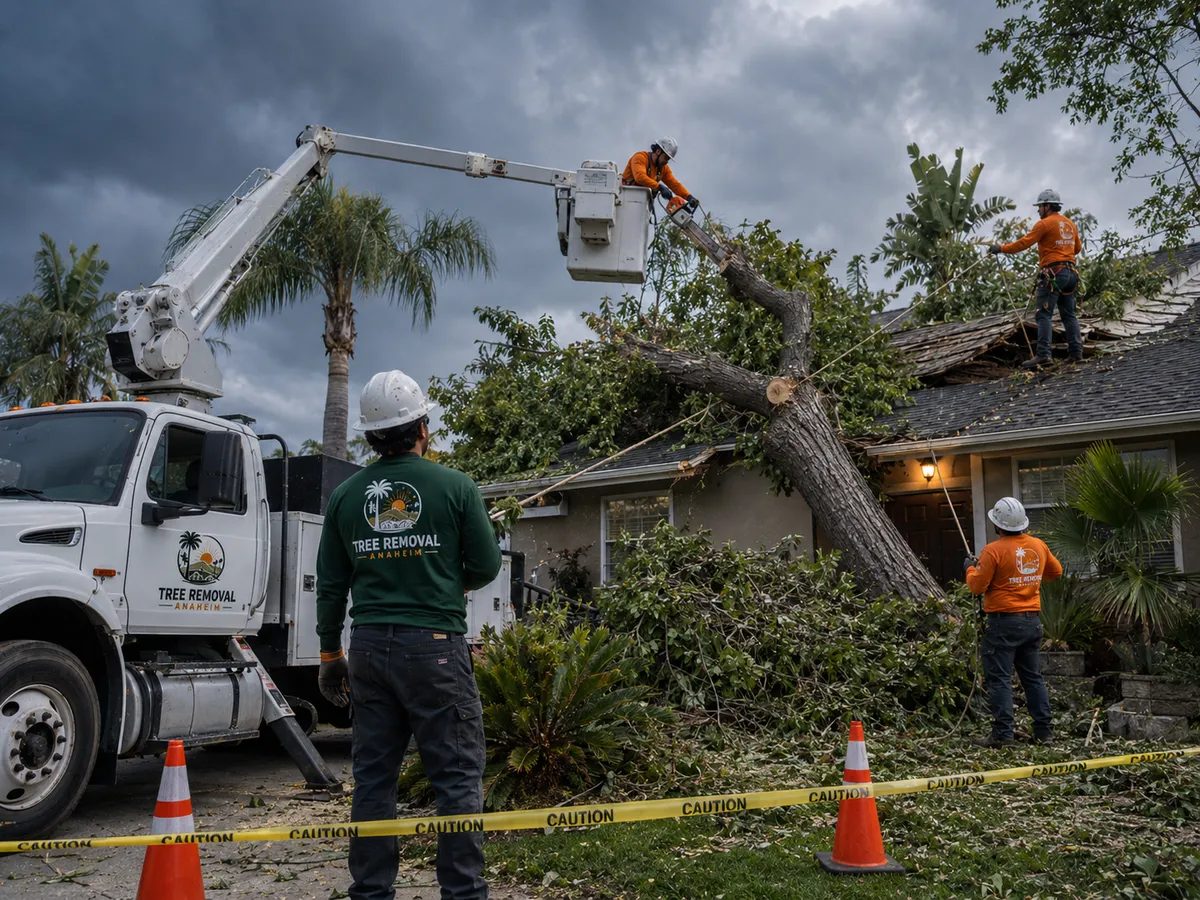
We inspect visible defects and identify homes, vehicles, walkways, utilities, neighboring areas, or other targets that could be affected.
Set access and rigging limits
The tree's condition determines whether conventional climbing is appropriate or whether an alternate work position is preferable.
Dismantle the tree deliberately
Material is removed in a sequence that avoids unnecessarily loading weakened sections of the tree.
Finish cleanup and site handoff
Once the tree is down, we process the agreed material and review the work area before leaving.